The idea of loyalty in football has changed a great deal over time, and many fans feel that it is not what it once was. In the past, it was common to see players stay at one club for most of their career, building a strong bond with the team and its supporters. Today, movement between clubs is more frequent, and this has led to a wider discussion about whether modern footballers are losing their sense of loyalty.
Reasons Why Loyalty is Deteriating
There are many reasons why this change has taken place, and football is now a global industry, and the game has grown far beyond its local roots. Leagues such as the Premier League attract attention from all over the world, bringing in large amounts of money from television deals, sponsorships, and commercial partnerships. This has changed the way clubs operate and how players view their careers.
One important factor is the financial side of the game, and players today have more opportunities to earn higher wages by moving between clubs. When a player performs well, other teams may offer better contracts, and this can be hard to ignore. It is not always about greed, as some moves are simply about making the most of a short career. Football careers are often limited in length, and players may feel the need to secure their future while they can.
Modern Football
Agents helping players manage contracts and find new opportunities, aiming to lead to more frequent transfers, and as players are guided towards clubs that offer better terms or a higher profile. While this is part of the professional side of the sport, it can make it seem like loyalty is less important than before.
Young players coming through the system today are entering a very different environment, and they are aware of the opportunities available to them and may see movement between clubs as a normal part of their career. At the same time, many still value the chance to represent a club over many years, especially if they feel supported and valued. The balance between ambition and loyalty is something each player must manage in their own way.
Competition
Another reason for the shift is the level of competition at the top of the game, with players wanting to compete at the highest level and win major trophies. If their current club is not able to provide that chance, they may look elsewhere. This does not always mean they lack loyalty, but rather that they have strong ambitions and want to achieve success during their career. In some cases, staying at one club may limit those chances.
Fans
Fans often compare modern players to those from earlier generations, who were seen as more loyal. However, the game itself was very different in those times. Transfers were less common, and there was less money involved. Players did not have the same level of control over their careers, and contracts were often more restrictive. It is not always fair to compare different eras without considering these changes.
Social Media
Fans now have access to players and their daily lives, especially with social media now majorly influencing how loyalty is viewed. This can shape opinions quickly, and a player who moves clubs may face strong reactions online, even if the move makes sense from a professional point of view. At the same time, players can use these platforms to connect with fans, which can help build a sense of loyalty in a different way.
Clubs
Clubs themselves have changed in how they handle loyalty, and decisions are often made based on business needs, and players can be sold if it suits the club’s plans. This means loyalty is not only a question for players, but also for clubs. When both sides are focused on results and finances, it can be harder to maintain long-term relationships.
Not Always the Case
There are still examples of players who stay at one club for a long time, and they are often praised for their commitment, with these players becoming symbols of the club and being held in high regard by fans. Their presence shows that loyalty has not disappeared completely, even if it is less common than before.
Summary
The idea that modern footballers are losing loyalty to clubs is not a simple one, and the game has changed in many ways, and these changes have affected how players and clubs operate. Financial factors, career goals, and the demands of the modern game all play a part, similar to how many people aim to make money online uk through modern opportunities. While it may seem that loyalty is fading, it may be more accurate to say that it has taken on a different form. Football and the people involved continue to change alongside the definition of loyalty.
What fans are reading
Popular stories published in the past 48 hours.

Football matches live on TV this week
Read the story →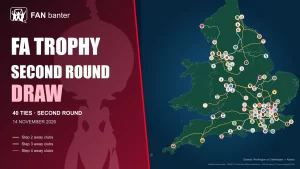
FA Trophy second-round draw: all 40 ties, away journeys and matches to watch
Read the story →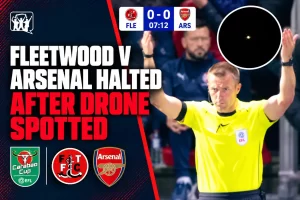
Drone stops Fleetwood Town vs Arsenal Carabao Cup tie at Highbury
Read the story →
Next Sheffield Wednesday manager odds: contenders to replace Henrik Pedersen
Read the story →





You must be logged in to post a comment Login