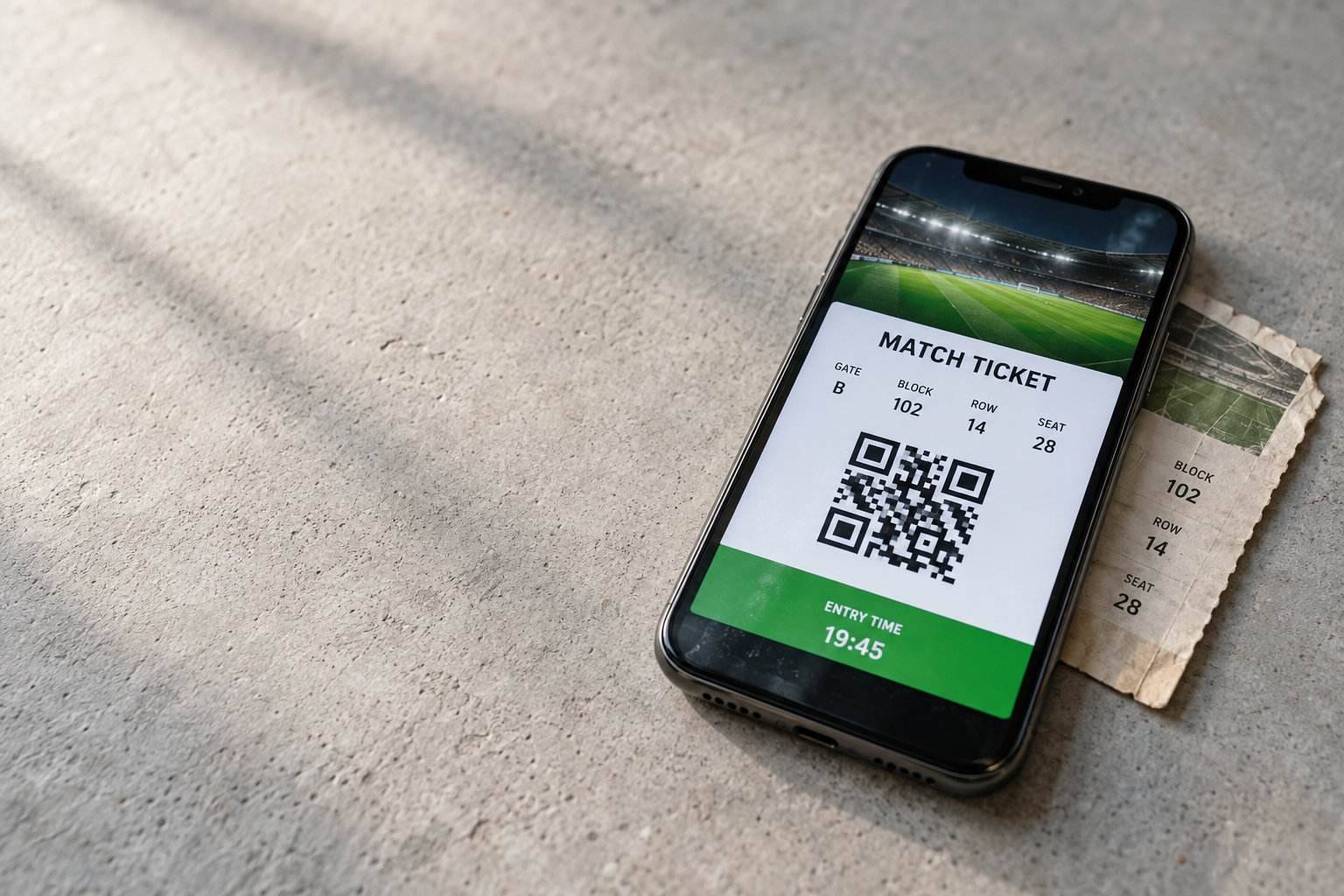
Matchday traditions are evolving as football’s popularity escalates and stadiums reach capacity more quickly than ever before. The increase in demand for fixtures at all levels, especially for high-profile matches, has placed pressure on supporters to plan ahead, navigate membership schemes and ballot systems, and adapt to rapid advancements in ticketing technology. For example, nufc tickets for premier fixtures can be snapped up as soon as they are released, compelling supporters to stay updated with digital membership communications, registration windows, and mobile ticketing instructions. The journey to attending a match is no longer a matter of queuing at a box office or waiting for a ticket envelope in the post, it now involves logging into an app, keeping devices charged, and understanding new protocols at the turnstile. For many supporters, the digital transformation of ticketing is not just a matter of convenience but a reflection of broader shifts in both technology use and club policy, directly influencing how the modern fan experiences matchday.
From paper to mobile: how ticketing has changed
In years past, supporters commonly received physical paper stubs via the post or collected them from the club’s ticket office, often keeping them as treasured memorabilia. Holding a tangible match ticket served as a souvenir, marking memories of a special occasion or an important fixture. However, as football grounds have modernised and attendance has soared, most clubs have adopted digital ticketing, making physical tickets far less common.
Today, electronic tickets are widely used and may be delivered through email, a secure link, or directly through a dedicated club app. For many, accessing a ticket involves logging in to a smartphone application, where the e-ticket is typically displayed in the form of a QR code or barcode. Alternatively, digital tickets might be added to a digital wallet service on the phone, allowing entry using near-field communication (NFC) features or by scanning a code at the gate.
Digital wallet tickets often have the advantage of being accessible even if a mobile device is offline at the ground, provided the ticket has been saved in advance. Many apps provide instructions to download the ticket before travelling, reducing the risk that poor connectivity in crowded areas will cause problems at the turnstile. This system speeds up entry times and helps clubs manage crowds more effectively. Some platforms generate a dynamic code that refreshes shortly before entry, enhancing security and discouraging the copying or sharing of ticket images.
The transition to mobile ticketing also includes challenges. For example, if a supporter loses their phone or it is damaged or runs out of battery, attending the match can become stressful. Most clubs have established support channels for these situations, including help desks, staffed ticket offices, or contingency procedures at the ground for verifying legitimate purchases. Additionally, guidance is often made available for those using older smartphones, and printed options are usually accessible, especially for those less comfortable with digital platforms.
Accessibility remains a key concern for some groups of supporters, such as those without compatible devices or who are unfamiliar with smartphone use. Consequently, most clubs strive to provide alternative ticketing solutions, offering physical tickets upon request, providing special arrangements for disabled fans, or assisting older supporters at collection points on matchday. The widespread move to mobile ticketing has generated positives in terms of convenience and environmental impact, but clubs continue to balance these benefits with the diverse needs of their fanbase.
Security and anti-counterfeit measures
One of the main drivers behind the adoption of digital ticketing is increased security. Traditional paper tickets were susceptible to being lost, stolen, or forged, leading to problems with touting and unauthorised resale. By contrast, a digital system gives clubs more oversight and options for protecting both their own interests and those of the supporters.
Common anti-fraud measures in football ticketing include issuing tickets with rotating barcodes or QR codes, which update or expire at intervals so screenshots cannot be reused. Some tickets are only activated within a set time frame before kick-off, reducing the opportunity for scammers to resell the same ticket multiple times. Account binding is also standard: tickets are often tied to an individual supporter’s profile, meaning the same ticket cannot simply be forwarded to someone else outside official channels without authorisation.
In many cases, the transfer or resale of tickets is strictly controlled. Digital platforms may enable only limited transfer windows, requiring supporters to reassign tickets to friends or family through official club systems, where the new holder’s information is captured. The forwarding process might be subject to checks or delayed activation, providing another layer of protection against improper trading. Official ticketing apps may restrict the ability to take screenshots, further preventing unauthorised duplication or fraudulent listings on unofficial marketplaces.
For higher-risk fixtures, some clubs implement additional security such as ID checks at the entrance, ensuring that the ticket matches the attendee’s personal details. Although these steps increase safety, they do have implications for legitimate supporters wishing to pass on tickets in the event of illness or changes of plan. Many clubs have responded to this by introducing controlled resale or transfer schemes within their ecosystem to facilitate lawful changes of ownership, but always with a clear audit trail.
Overall, these measures are designed to protect supporters against the growing sophistication of ticket fraud, deter touting activity, and protect the reputation of both clubs and sanctioned resale channels. While the adoption of anti-counterfeit technology brings advantages, clear communication is critical so that supporters can understand new requirements and avoid falling victim to scams.
Realities for supporters on matchday
The move to digital ticketing has affected almost every part of the matchday experience, from pre-travel planning to entering the stadium itself. Supporters now routinely check their devices in advance, ensuring apps are updated and tickets are saved locally. Carefully planning for a fully charged phone battery has become as crucial as remembering matchday essentials like scarves or hats, particularly when colder weather can affect battery life.
Connectivity around stadiums on matchday is a mixed bag. With thousands of supporters accessing the same wireless networks, there may be weak signal or no data access in the immediate vicinity of the ground. For this reason, many clubs encourage supporters to download their ticket to a digital wallet app or take a screenshot if permitted, so it is available even without a connection. Some apps are designed to work offline, granting access even if network access drops, but this is not universally supported.
If a supporter arrives and the app fails to load or the device powers off at the wrong moment, stewards and staff are typically positioned at entrances to support those experiencing issues. Some clubs set up dedicated support points or ‘troubleshooting’ desks to resolve tech-based hiccups, verify identities, or issue replacement tickets. It is advisable for supporters to arrive with plenty of time, reducing the pressure if urgent help is needed just before kick-off.
Not all supporters are equally comfortable with using digital ticketing systems, especially those who may not own smartphones or have limited digital literacy. Clubs often provide clear instructions alongside FAQs, and may have phone support lines or in-person services on matchday. Printed ticket options, though more limited now, can usually be supplied if requested in advance or under special circumstances, ensuring continued access for all segments of the fanbase.
For supporters wishing to transfer tickets or arriving as part of a group, clear coordination is required, as each individual’s ticket may be on a different device or app. Ensuring that everyone has successfully received their ticket and can access it at the stadium is a new part of pre-match checks. Families and groups often spend extra time ensuring accessibility for children and elderly relatives, or seeking club support if a device fails on the day. The digital shift is not without its frustrations, but as clubs refine their support processes, most are finding ways to blend technology with practical solutions for fans.
Club ticketing policies and digital infrastructure
Modern football ticketing policies make extensive use of digital infrastructure to allocate tickets fairly and efficiently. As matchday attendance becomes more competitive, clubs have adopted membership systems, loyalty points, and ballots to distribute limited seats for high-demand fixtures.
Membership schemes usually give priority booking rights, advance notice of sales windows, and sometimes access to exclusive ballots. Supporters are encouraged to sign up early and maintain active memberships to boost their chances of securing tickets to big matches. Loyalty points, accrued through past attendance or club engagement, further reward dedicated supporters and are factored into the allocation process for especially coveted fixtures.
Ballot systems are used to inject an element of transparency and fairness. Registered members are entered into a draw when demand outstrips supply, and those selected receive instructions for digital ticket collection. The use of digital entry ensures quick turnaround between ballot results and ticket distribution, reducing opportunities for fraud and touting. However, some supporters feel frustration with the opacity of the process or nervousness about relying on chance, leading clubs to publish FAQs or guides to help demystify the process.
Digital ticketing’s technical infrastructure allows clubs to monitor patterns in ticket distribution, resale rates, and attendance, allowing for continual adjustment of policies for fairness and efficiency. Supporters benefit from real-time updates if returned tickets become available, as well as timely alerts about fixture changes or entry instructions. At the same time, the increased reliance on technology raises questions about data privacy and the secure storage of personal information. Most clubs address this by providing privacy policies and limiting the information stored or shared, encouraging supporters







You must be logged in to post a comment Login