English football has reached the part of May where every fan becomes a lawyer, accountant and body-language expert. The relegation door is still creaking, Wembley is waiting, and three EFL play-off finals are about to turn family weekends into 90-minute stress tests.
This is the twitchy bit. A manager’s half-smile becomes evidence. One away end can sound drunk on hope or sick with dread. Fan culture now lives in the pause after a VAR check, the queue at Euston, and the angry scroll after full-time.
West Ham’s Fear Has Become Everyone Else’s Content
West Ham’s 3-1 defeat at Newcastle on 17 May left them 18th on 36 points, two behind Tottenham. Wolves and Burnley were already gone. West Ham still had a final-day home match against Leeds to think about, but their fate also depended on Chelsea doing them a favour against Spurs.
That is a horrible way to follow football. You are not only watching your own side collapse; you are suddenly pretending to care about someone else’s left-back tracking a runner at Stamford Bridge. Supporters hate that kind of dependence because it strips away the final illusion of control.
Newcastle’s William Osula scored twice. Nick Woltemade ended a long league drought. Taty Castellanos gave West Ham a flicker with a sharp finish, then the whole thing went back to dread. The away end knew.
Wembley Has Three Different Kinds of Madness
The EFL play-offs keep selling the same lie every year: that they are simply a sporting format. They are not. They are an anxiety machine dressed in flags, face paint and overpriced train tickets.
Hull face Southampton in the Championship play-off final on Saturday, 23 May, with the “Spygate” case around Southampton still adding heat to the fixture. Bolton meet Stockport in the League One final on Sunday, 24 May. Salford play Notts County in the League Two final on Monday, 25 May.
| Fixture | Date | What fans are really arguing about |
| Hull vs Southampton | 23 May | Premier League money, travel chaos, sporting integrity |
| Bolton vs Stockport | 24 May | Old weight against modern momentum |
| Salford vs Notts County | 25 May | Ownership, ambition, EFL identity |
The table looks tidy. The weekend will not be.
Why Supporters Are Driving the Story
Football becomes local again in May. Schools, pubs, taxi ranks, group chats and workplaces all turn into small courts of appeal.
A fan of a play-off club does not watch a semi-final second leg. They endure it. They count stoppage time as if it has personally insulted them. That is why fan-reaction stories land so well now: the emotions are already edited before anyone touches a camera.
The Premier League brings the global glare, but the EFL still owns the rawer sound. Wembley play-off fans arrive looking like they’re trying not to throw up. That is better television.
The Second Screen Now Follows the First Whistle
Matchdays now unfold on two screens. The first carries the ball; the second carries lineups, injury whispers, live text, odds movement and angry group chats. A fan checking a Bd betting app during a spell of pressure is usually trying to read how markets react to corners, cards and late substitutions. The useful detail is speed, not bravado: pre-match prices, in-play movement and settlement rules need to be visible before emotion takes over. Good betting habits still start with a stake limit and a clear view of form, not with a shout from the away end. May football punishes panic faster than any league table.
Android has made that habit even more compressed. A supporter leaving Wembley or watching from a packed pub wants the same quick route back to fixtures, markets and account controls. Someone using an APK Melbet install is usually looking for direct access when team news breaks or a late injury changes the shape of a final. The betting value sits in context: starting XIs, fatigue, referee profile and game state all matter before the final tap. The app can reduce friction, but it cannot turn a rumour into information. That distinction separates a measured football bet from a nervous one.
The Small Details That Decide Big Weekends
Forget badge size for a moment. These matches usually turn on smaller things, the sort fans spot before analysts admit they matter.
- The first 15 minutes: teams that survive the opening surge often think more clearly.
- Set pieces: play-off finals can become contests of delivery, second balls and nerve.
- Bench trust: managers who delay changes because the occasion feels too big usually pay for it.
- Referee temperature: early cards can change pressing, duels and full-back aggression.
- Goalkeeper calm: one clean claim can slow a whole stadium down.
Supporters know when their centre-back is hiding from a pass. They know when a striker is making runs out of duty rather than conviction. Data can later prove it. The stand usually smells it first.
The Internet Will Be Cruel, Then Correct
A bad clearance will become a meme before the ball has landed. A manager’s quote will be chopped into eight seconds and judged as if it were a manifesto. That is English football in 2026: every decision now has a shadow audience.
By next Tuesday, one fanbase will talk about destiny. Another will talk about referees. Someone will still be on a delayed train, staring at a scarf in their lap, not ready to go home.
What fans are reading
Popular stories published in the past 48 hours.
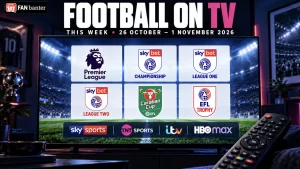
Football matches live on TV this week
Read the story →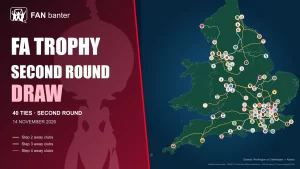
FA Trophy second-round draw: all 40 ties, away journeys and matches to watch
Read the story →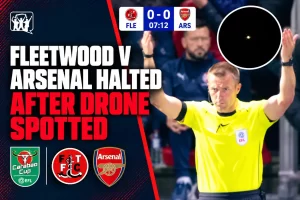
Drone stops Fleetwood Town vs Arsenal Carabao Cup tie at Highbury
Read the story →
Next Sheffield Wednesday manager odds: contenders to replace Henrik Pedersen
Read the story →





You must be logged in to post a comment Login