Movies have always been a major part of entertainment and popular culture. For many years, people mainly watched films through cinemas, cable television, DVDs, or rental stores. Today, streaming platforms have completely changed how audiences discover and enjoy movies. Instead of waiting for television schedules or visiting physical stores, viewers can now watch films instantly using smartphones, laptops, tablets, and smart TVs.
Much like how Color Game Online introduced faster and more accessible digital entertainment experiences for mobile users, streaming platforms transformed movie watching into a more flexible and personalized activity for modern audiences.
Streaming services changed not only viewing habits but also the entire entertainment industry. Audiences now expect fast access, personalized recommendations, and the freedom to watch movies anytime they want. These changes continue shaping how films are produced, distributed, and promoted worldwide.
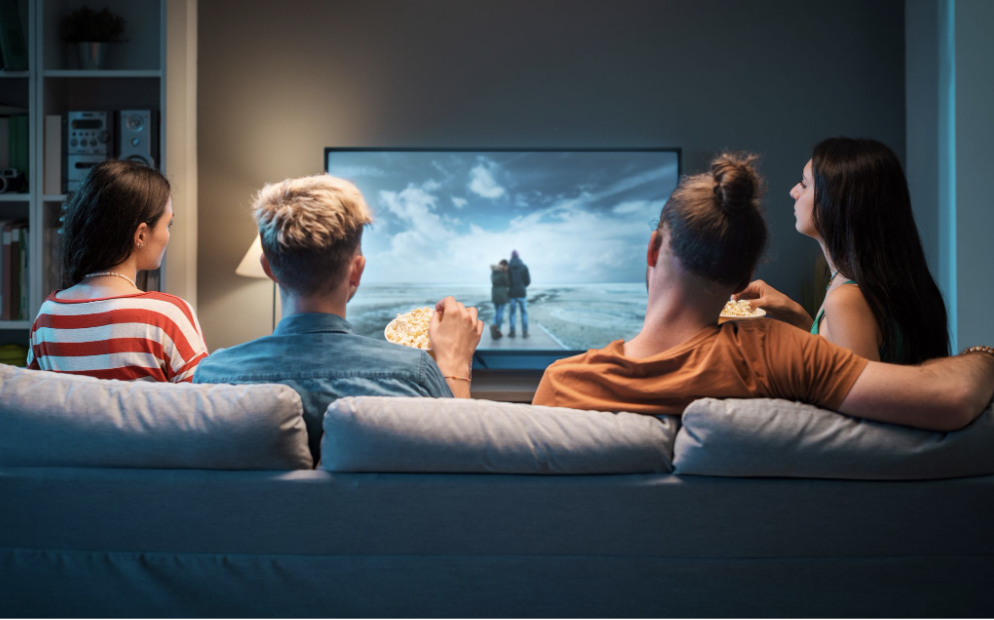
Convenience Changed Viewing Habits
One of the main reasons streaming platforms became popular is convenience. In the past, movie lovers needed to follow cinema schedules or television programming to catch their favorite films. Missing a showing often meant waiting weeks or months before another chance became available.
Streaming services removed those limitations by allowing viewers to watch movies on demand. Whether someone prefers watching late at night, during breaks, or while traveling, movies are available anytime with just a few clicks.
Modern viewers also enjoy features like pause, rewind, and resume playback across multiple devices. A person can start watching on a television and continue later using a smartphone without losing progress.
Because of this flexibility, binge-watching also became common. Many viewers now watch several movies or episodes in one sitting, changing how entertainment is consumed today.
Streaming Expanded Access to International Movies
Before streaming became mainstream, international films often struggled to reach global audiences. Access to foreign-language movies depended heavily on local theater releases or television licensing agreements.
Streaming platforms helped solve this issue by offering movie libraries filled with content from different countries and cultures. Viewers can now easily explore Korean thrillers, Japanese anime, Spanish dramas, and Indian action films directly from home.
This wider access increased appreciation for global storytelling styles. Audiences became more comfortable watching subtitles and discovering films outside traditional Hollywood productions.
The growing popularity of international movies also encouraged streaming companies to invest in regional productions. Many platforms now create original content specifically designed for global audiences.
As a result, smaller film industries gained better opportunities to reach viewers worldwide without relying entirely on traditional cinema distribution systems.
Personalized Recommendations Improved Discovery
Streaming platforms use algorithms to recommend movies based on viewing history, favorite genres, and user behavior. Instead of manually searching through thousands of titles, viewers receive suggestions tailored to their interests.
This recommendation system changed how audiences discover content. Many people now find movies they would never have searched for on their own.
Personalized recommendations also help smaller films gain attention. Independent movies, documentaries, and niche genres now have better chances of reaching interested viewers through algorithm-driven suggestions.
For audiences, this creates a more customized entertainment experience. Rather than relying only on advertisements or critic reviews, viewers can explore films that match their personal tastes.
Streaming platforms continue improving these systems to make movie discovery faster and more accurate.
Movie Theaters Faced New Competition
The rise of streaming platforms created challenges for traditional cinemas. Many viewers now prefer watching movies at home because it saves time and reduces extra expenses like transportation and snacks.
This shift became even more noticeable during global lockdown periods when movie theaters temporarily closed. Streaming services quickly became the primary source of entertainment for millions of people worldwide.
Some film studios even started releasing movies directly through streaming platforms instead of waiting for theatrical releases.
To stay competitive, cinemas focused on improving the overall viewing experience. Many theaters upgraded sound systems, seating, and screen technology to offer experiences that are difficult to recreate at home.
Despite growing competition, cinemas still remain important for blockbuster movies and social experiences. Many audiences continue enjoying the excitement of watching films on large screens with immersive sound systems.
Instead of completely replacing theaters, streaming platforms created a new balance between home entertainment and cinema experiences.
Streaming Changed Movie Production
Streaming platforms also influenced how movies are produced and marketed. Studios now analyze audience behavior, viewing data, and streaming trends when planning future projects.
Many platforms prioritize content that keeps subscribers engaged for long periods. Because of this, filmmakers often focus on strong storytelling, franchise potential, and audience retention.
The demand for exclusive content also created more opportunities for actors, writers, editors, and directors. Streaming companies constantly compete to release original films that attract viewers.
Independent filmmakers benefited as well. Smaller creators now have better chances to distribute their work through streaming services without depending entirely on theatrical releases.
This environment encouraged experimentation with storytelling styles and genres, helping modern filmmaking continue evolving.
Mobile Technology Increased Accessibility
Smartphones and faster internet connections played a major role in streaming success. Today, viewers no longer need televisions or desktop computers to enjoy movies. A mobile phone and stable internet connection are often enough.
This accessibility changed entertainment habits, especially among younger audiences. People now watch movies while commuting, resting, or traveling.
Offline download features also improved convenience for users with unstable internet connections. Many streaming platforms allow temporary downloads so viewers can continue watching without needing constant internet access.
As mobile technology continues improving, streaming quality and accessibility are expected to become even better in the future.
The Future of Modern Movie Watching
Streaming platforms will likely continue influencing entertainment for many years. Advances in internet technology, artificial intelligence, and mobile devices may further transform how audiences experience movies.
Competition among streaming services is also expected to increase. Companies will continue investing in exclusive films, international productions, and user-friendly features to attract subscribers.
At the same time, cinemas may continue evolving into premium entertainment destinations focused on immersive experiences.
Modern audiences now expect flexibility, convenience, and personalized entertainment. Streaming platforms successfully reshaped these expectations by making movie watching faster, easier, and more accessible than ever before.
As technology continues evolving, streaming services will remain one of the biggest forces shaping the future of modern cinema and entertainment culture.






You must be logged in to post a comment Login