English football thrives on narratives, and few are more enduring than the polarising figure. These are the players who can’t step on the pitch without dividing opinion—mocked on one end of the ground, idolised on the other. Think of Bruno Fernandes’ endless gesturing at referees: maddening to rival fans, yet adored by Manchester United supporters for his relentless drive. Jack Grealish, meanwhile, draws applause for his flair and charisma but sneers for his perceived theatrics.
Such players reflect football’s dual nature: it’s as much theatre as it is sport. Fans don’t pay just for goals and tackles—they pay for the storylines, the heroes and villains. Polarising figures bring energy to otherwise predictable fixtures, creating moments people talk about for weeks.
This dynamic even spills beyond football into wider culture. Just as consumers scrutinise the most trustworthy Apple Pay casino when choosing where to play online, supporters weigh the reputations of footballers—judging them not solely on skill but on the baggage they carry.
Ultimately, the love-hate spectrum sustains football’s weekly drama. It is precisely because these players provoke a reaction that they matter.
Classic villains
Every league needs its villains, and the Premier League produces them in abundance. From seasoned time-wasters to theatrical divers, the pantomime characters on the pitch are a crucial part of football’s ecosystem. Emi Martínez, Aston Villa’s goalkeeper, has perfected the dark arts of delay and distraction, becoming a cult hero in Birmingham and a pantomime villain everywhere else.
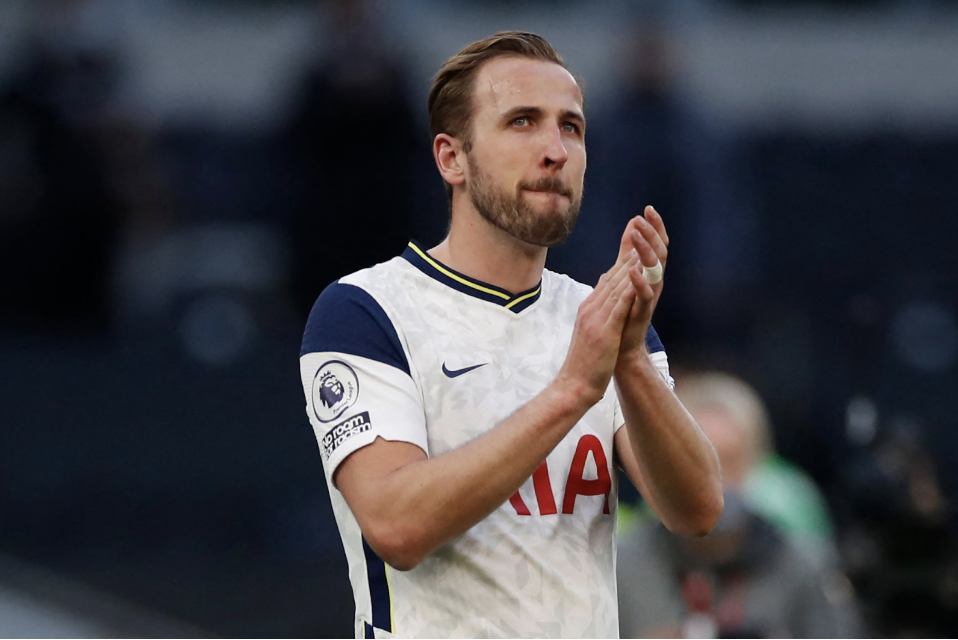
Then there are the divers—players like Mohamed Salah and Harry Kane, who, rightly or wrongly, face endless accusations of exaggerating contact. To their fans, these players are clever, even pragmatic; to rivals, they represent the cynical side of modern football.
Perhaps nothing riles supporters more than the return of an ex-player. When a former idol dons the colours of a rival club, the betrayal lingers long after the transfer fee clears. Few atmospheres are more hostile than when a once-beloved striker scores against his old side and celebrates in front of former supporters.
Classic villainy isn’t about breaking rules outright but about playing the margins. It fuels terrace chants, online memes, and endless debates about “what football has become.” For some, these figures tarnish the game; for others, they keep it alive with tension and bite.
Players who clap back at fans with humour
Not every polarising player responds to hostility with scowls or silence. Some turn boos into banter, winning respect—or at least amusement—for their wit. James Maddison, now at Tottenham, is quick with a quip in post-match interviews, often turning critics’ digs into punchlines. Similarly, Marcus Rashford has defused criticism with self-awareness, occasionally poking fun at himself on social media.
In a sport often weighed down by seriousness, humour is a rare weapon. It shows resilience in the face of abuse and reminds fans that players are people too. While not every clap-back is well-received, those that land can shift narratives.
Examples include:
- Raheem Sterling laughing off chants with a cheeky smile and celebration, turning mockery into fuel.
- Richarlison responding to jeers with theatrical goal celebrations that blur the line between defiance and comedy.
Humour disarms. It prevents the escalation of tension and flips the script: instead of appearing rattled, the player seems in control. In many cases, it softens even the harshest critics, if only momentarily.
The modern game needs these flashes of levity. They remind us that football, though tribal, is still entertainment—a spectacle where laughter can be as powerful as goals.
Social media’s role in amplifying terrace rivalries
The modern terrace doesn’t end at the stadium gates. Rivalries continue online, where platforms like Twitter, TikTok, and Instagram amplify every chant, every gesture, every controversy. A wink, a dive, or a mistimed celebration can go viral within seconds, reframing the player as either hero or villain to millions beyond the stands.
Clubs themselves have leaned into this culture. Official accounts post cheeky memes after victories, sometimes baiting rivals with subtle digs. Meanwhile, fan-run accounts amplify banter with edited clips, sarcastic captions, and running jokes that can define how a player is perceived nationwide.
But social media magnifies hostility as well as humour. Players like Harry Maguire and Jesse Lingard have been relentlessly targeted online, with criticism often spiralling into abuse. The distance of a screen allows anonymity, making the vitriol sharper and more persistent than terrace chants ever could.

| Action on Pitch | Online Amplification | Resulting Effect |
| Celebratory wink (e.g., Martínez) | GIFs, memes shared globally | Reinforces villain image |
| Goal vs. former club | Clip reposted with hostile/funny captions | Escalates banter into rivalry |
| Post-match comments | Tweets/screenshots circulate instantly | Polarises opinions even further |
| Mistakes under pressure | Mock compilations on TikTok/YouTube | Fuels long-term criticism |
The stands may start the conversation, but the internet ensures it never ends.
When banter crosses into hostility
Banter is part of football’s DNA, a form of communal teasing that builds rivalries without breaking them. Yet the line between humour and hostility is thin, and too often it’s crossed. Chants referencing personal tragedies, threats shouted at players’ families, or online abuse that veers into racism—all of these moments reveal how quickly “fun” can curdle.
The Premier League has seen a rise in campaigns urging fans to “Keep It On The Pitch,” but the reality is more complicated. Social media allows for constant access to players, blurring boundaries and making abuse more personal. Clubs now employ welfare officers and monitoring systems to protect athletes from the worst excesses of hostility.
At its best, football banter unites communities, letting fans laugh together even as they argue. But when it escalates into cruelty, it erodes the spirit of the game.
The responsibility lies with all stakeholders:
- Fans, to recognise where humour ends and harm begins.
- Clubs, to support players and set behavioural standards.
- Platforms, to clamp down on targeted abuse that masquerades as banter.
The most polarising players will always attract attention—cheers, boos, and everything in between. But for football’s spectacle to thrive, that attention mustn’t cross into destruction. After all, what makes the game worth watching isn’t cruelty, but the human drama at its core.










You must be logged in to post a comment Login