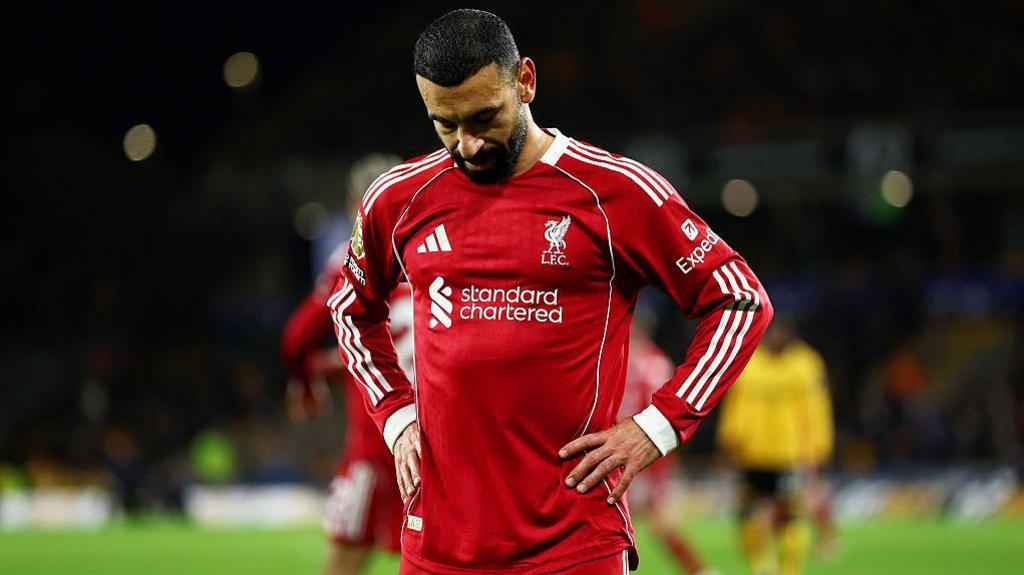
Replacing Jürgen Klopp was never a football problem. It was a psychological one — nine years of a specific identity so thoroughly embedded at Anfield that the club’s support had stopped separating the manager from the institution. Arne Slot came from Feyenoord for £9.4 million in June 2024; various markets like 1xbet betting football had him installed as a marginal favourite to survive his first season before a single competitive game had been played. He got the job partly because the alternatives — Xabi Alonso, Ruben Amorim — had already been chosen elsewhere.
From Heavy Metal to Positional Control
Klopp had a name for his own system — “heavy metal football” — and the name held because it was accurate. Slot kept the 4-3-3 shell and changed everything inside it.
What the Tactical Reset Looked Like
- Gravenberch dropping into a deep-lying role reshaped Liverpool’s build-up rhythm more than any summer transfer did
- The press became a lane-blocking tool rather than a ball-hunting one; Slot’s 4-2-4 shape out of possession is structured where Klopp’s was instinctive
- 22 Premier League goal contributions for Salah in 2024-25, partly because Alexander-Arnold’s unpredictable role made it harder for opposing sides to double-up his channel the way they had for years
- The 2-0 win over Real Madrid in November ended a fifteen-year drought against them; tactically, it bore almost no resemblance to how Liverpool had played that fixture under Klopp
The First Season
On April 27, 2025 Liverpool put five past Tottenham Hotspur — four games before the season ended — and Slot became the first Dutch manager to win the Premier League, joining four others in history who’d taken the title in their debut season in the competition. The LMA Manager of the Year award followed. Klopp’s overall win rate across 489 Liverpool games sat at 62.2 percent — the number that functioned as the informal passing grade that season. Slot finished marginally ahead. The League Cup final loss to Newcastle at Wembley was the campaign’s only substantial failure, though a penalty shootout loss to PSG in Europe had already started a conversation about whether Slot’s system had a ceiling at the knockout stage that the league format simply didn’t expose.
What made the title run unusual was how few games felt comfortable. Seven consecutive wins early in the season included stoppage-time winners against Newcastle and Atlético Madrid. Liverpool led the table from matchday six without ever pulling clear enough to make the mathematics feel settled until March.
The Collapse
Five wins opened 2025-26. Wirtz arrived. Isak arrived. Then came nine defeats in twelve games, a 4-1 Champions League loss to PSV, and a public conversation about whether the title year had masked fundamental problems rather than resolved them. Slot’s win rate across all 2025 fixtures — both seasons combined — fell to 51 percent. He described it as “a constant battle” and cited injuries, squad cohesion, the difficulty of integrating major additions mid-cycle.
The injury list did carry weight. Virgil van Dijk missed a significant stretch, and the defensive cover Liverpool had relied on through the title run proved thinner than the squad depth on paper had suggested. Wirtz and Isak needed time to understand each other and the system — neither arrived as a plug-and-play addition to a settled team. By November, Slot was publicly acknowledging that the squad’s collective shape had broken down in a way that individual quality alone couldn’t fix inside a running season.
The Club’s Response
The January window produced Jérémy Jacquet from Rennes for £55 million, a centre-back signing that addressed the most obvious gap the autumn had exposed. Contract extension talks with Slot opened around the same time — a signal from ownership that the form drop was being read as a transitional problem rather than a managerial one. Klopp appeared with reports suggesting he was “feeling the urge to coach” again. Nothing from Fenway Sports Group indicated any urgency around a change.
The structural work for next season was already running parallel to a campaign still being played. Liverpool had spent heavily on a technical, possession-based identity shift — and Slot, for all the pressure, remained the manager that shift was built around.
How Betting Markets Reacted to the Transition
Betting markets also reflected the shift in expectations around Liverpool. Before Slot’s first season, sportsbooks priced the club among the top contenders but not clear favourites for the title. After the 2024–25 championship run, preseason odds for the following campaign shortened noticeably, reflecting stronger market confidence in the new tactical system. The poor run during the 2025–26 season then pushed Liverpool’s title odds in the opposite direction as bookmakers adjusted implied probabilities based on recent results. Such movements show how quickly football betting markets respond to form, injuries, and tactical uncertainty.







You must be logged in to post a comment Login